In the fast-paced modern world, the morning routine is often a race against the clock. Between waking up, preparing for work or school, and managing household responsibilities, time is a luxury that few can afford. This is precisely why breakfast cereal has become a global staple. It requires no cooking, minimal cleanup, and can be prepared in under sixty seconds. However, as health consciousness rises, a critical question follows the convenience: Is this practical meal actually healthy, or are we sacrificing our long-term well-being for a few extra minutes of sleep?
To understand the health implications of breakfast cereal, we must look beyond the colorful packaging and dive into the nutritional science behind the bowl.
The Unrivaled Convenience of the Cereal Bowl
There is no denying that cereal is the king of convenience. For decades, marketing campaigns have framed it as the “complete breakfast” when paired with milk and a glass of juice. For busy parents and professionals, the ability to pour a meal into a bowl and consume it immediately is a significant stress-reducer.
Furthermore, cereals have a long shelf life, are relatively inexpensive, and come in thousands of varieties to suit every palate. This accessibility has made them the default choice for millions. But the industrial processes required to make these grains shelf-stable and “tasty” often strip away the very nutrients our bodies need to function optimally during the day.
The Dark Side of Processing: Sugar and Refined Grains
The primary concern regarding breakfast cereals is the level of processing they undergo. Most commercial cereals are made through a process called extrusion. Grains are ground into a flour, mixed with water and sugar, and then pushed through a machine at high temperatures to create specific shapes like flakes, loops, or puffs.
The Sugar Trap
Many popular cereals, especially those marketed toward children, contain staggering amounts of added sugar. In some cases, sugar makes up more than 30% of the weight of the product. Consuming high amounts of sugar first thing in the morning causes a rapid spike in blood glucose and insulin levels. While this provides a temporary “rush” of energy, it is almost always followed by a “sugar crash” a few hours later, leading to irritability, fatigue, and intense cravings for more processed carbs.
Refined vs. Whole Grains
While many boxes boast being “made with whole grains,” the refinement process often removes the bran and germ, which contain fiber and essential vitamins. Even when “enriched” with synthetic vitamins, these refined grains lack the natural synergy of nutrients found in whole foods. Without adequate fiber, the body digests the cereal too quickly, leaving you feeling hungry long before lunchtime.
The Marketing Mirage: Health Claims and Fortification
Cereal boxes are often covered in health claims: “Heart Healthy,” “High in Vitamin D,” or “Excellent Source of Fiber.” While these statements are often legally permissible, they can be misleading.
Synthetic Fortification
Most of the vitamins and minerals found in breakfast cereals are added during the final stages of production because the natural nutrients were destroyed during processing. While fortification has helped reduce nutrient deficiencies in the general population, the body does not always absorb synthetic vitamins as efficiently as those found naturally in whole foods like vegetables, nuts, and unprocessed grains.
Misleading Serving Sizes
The nutritional information on the back of the box is based on a specific serving size, usually 30 to 40 grams. However, research shows that most people pour significantly more than the recommended amount—sometimes double or triple. This means that a bowl of cereal you perceive as “light” might actually contain more calories and sugar than a dessert.
How to Choose a Healthier Cereal
If you value the practicality of cereal but want to protect your health, you don’t necessarily have to give it up entirely. The key lies in becoming a savvy label-reader. To ensure your morning bowl is actually working for you, look for the following criteria:
- Fiber Content: Look for cereals that contain at least 5 grams of fiber per serving. Fiber slows down sugar absorption and keeps you full.
- Minimal Ingredients: The best cereals usually have a very short list of ingredients. If the first three ingredients include sugar, high-fructose corn syrup, or white flour, put it back on the shelf.
- Low Sugar: Aim for cereals with less than 5 to 8 grams of sugar per serving. Avoid “frosted” or “honey-coated” varieties.
- The Protein Gap: Most cereals are low in protein. To make your breakfast more balanced, add a source of protein such as Greek yogurt, nuts, seeds, or a side of eggs. Protein is essential for muscle maintenance and satiety.
Healthier Alternatives to Traditional Cereal
If you find that processed cereals aren’t serving your health goals, there are alternatives that are nearly as practical but far more nutritious:
- Steel-Cut or Rolled Oats: While they take a few minutes longer to cook, oats are packed with beta-glucan, a fiber known for lowering cholesterol. You can even prepare “overnight oats” the evening before to maintain the grab-and-go convenience.
- Chia Seed Pudding: High in Omega-3 fatty acids and fiber, this can be prepared in bulk and kept in the fridge.
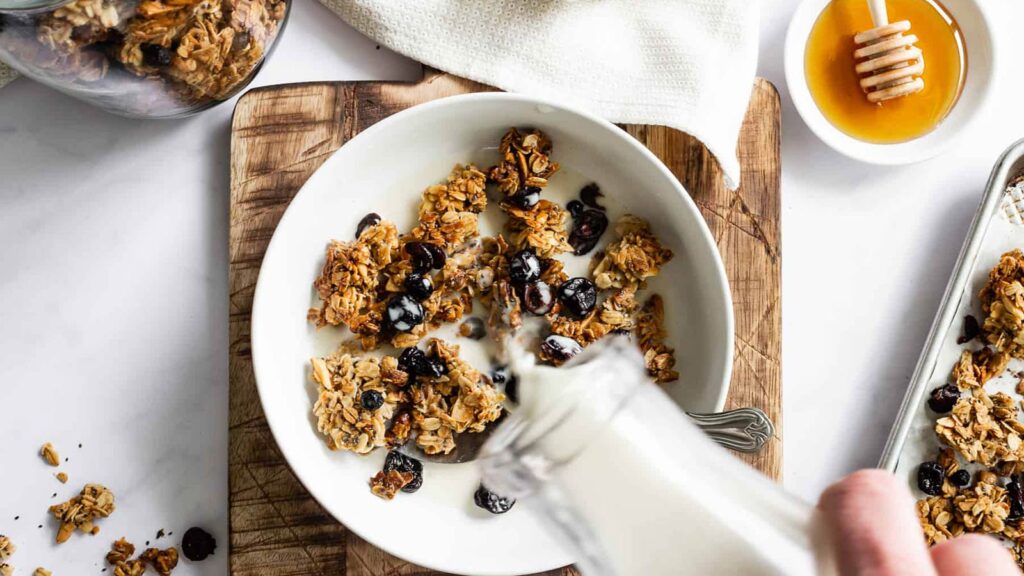
- Homemade Granola: Commercial granola is often high in oil and sugar. Making your own allows you to control the sweetness and add plenty of nuts and seeds.
Conclusion
Is breakfast cereal practical? Absolutely. Is it healthy? The answer depends entirely on the box you choose. Most mainstream, highly processed cereals are little more than “liquid-soaked cookies” that contribute to energy crashes and weight gain. However, if you opt for high-fiber, low-sugar varieties and supplement them with protein and healthy fats, cereal can be a functional part of a balanced diet.
The most important takeaway is to stop viewing cereal as a “health food” by default. Treat it as a tool for convenience, but use it wisely by inspecting the labels and prioritizing whole-food ingredients. Your morning energy levels and long-term health will thank you for the extra thirty seconds spent reading the nutritional panel.
Would you like me to help you draft a specific grocery shopping list of the healthiest cereal brands and ingredients?