The pursuit of wellness often leads directly to the kitchen. We know that optimizing our diet with wellness-foods—nutrient-dense, anti-inflammatory whole foods—is essential for energy, longevity, and disease prevention. Yet, the reality of maintaining a diet rich in organic produce, high-quality proteins, and specialty ingredients often clashes with the demands of a busy schedule and a tight budget. The dream of a constantly stocked, perfect wellness kitchen can quickly turn into a source of stress and expense, leading many to abandon their healthy eating goals.
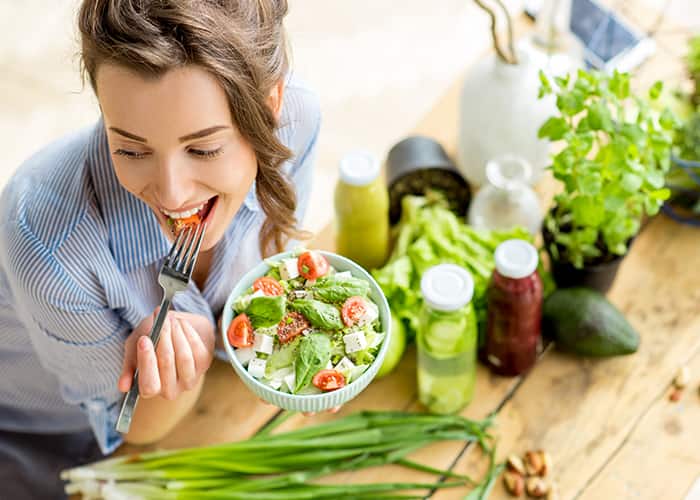
The secret to success lies not in achieving perfection, but in finding sustainable, affordable, and time-efficient ways to integrate these foods into your daily routine. This requires strategic planning, smart shopping, and a willingness to embrace flexibility.
Strategy 1: The Strategic Shopping List—Prioritizing Quality Where It Counts
Not all wellness-foods need to be the most expensive option. A major key to budgeting is understanding where your money is best spent and where you can safely cut back.
Embracing the Dirty Dozen and Clean Fifteen
For those concerned about pesticide exposure, the most practical approach is utilizing the Dirty Dozen and Clean Fifteen lists (published annually by environmental working groups).
- Prioritize Organic (The “Dirty Dozen”): Allocate budget for the organic versions of produce known to have high pesticide residues (e.g., strawberries, spinach, kale). This ensures you get the most impact for your organic dollars.
- Go Conventional (The “Clean Fifteen”): Feel comfortable buying the conventional versions of produce with low pesticide residues (e.g., avocados, corn, onions). This saves significant money without compromising safety.
Smart Protein Sourcing
High-quality protein is a cornerstone of wellness. Instead of exclusively buying expensive cuts of organic meat, diversify your protein portfolio:
- Bulk and Budget: Purchase proteins like organic chicken, ground turkey, or lean cuts of beef in bulk when they are on sale, and freeze them in single-meal portions.
- Plant-Based Power: Lean heavily on affordable, shelf-stable wellness-foods like lentils, chickpeas, and beans. These are packed with fiber and protein, are exceptionally budget-friendly, and are staple anti-inflammatory ingredients.
- The Freezer Fish: Fresh, wild-caught fatty fish (rich in Omega-3s) can be costly. Buying high-quality frozen salmon or individually packaged frozen fillets is often more affordable, reduces waste, and maintains nutritional value.
Strategy 2: Time-Saving Tactics—The Power of Batch Prep
Time is often a more precious commodity than money. The failure to maintain a wellness diet often stems from not having healthy options ready when hunger strikes. Batch preparation is the ultimate time-saving hack for wellness-foods.
The Sunday Hour
Dedicate just one hour on a less-busy day (e.g., Sunday afternoon) to foundational food preparation. Focus on the most time-consuming or frequently used items:
- Grain Central: Cook large batches of healthy grains like quinoa, brown rice, or farro. These can be used as bases for salads, bowls, or quick side dishes all week long.
- Roast the Rainbow: Chop and roast a large sheet pan of mixed vegetables (broccoli, Brussels sprouts, sweet potatoes) in olive oil and herbs. Roasted vegetables are delicious eaten cold or quickly reheated and can be added to any meal.
- Wash and Chop: Pre-wash and chop greens and vegetables needed for easy snacks or salads. Having ready-to-eat carrots, bell peppers, or cleaned lettuce significantly reduces the friction of preparing a healthy meal during the week.
Embrace Frozen and Canned
Wellness-foods are not limited to the fresh produce aisle. Modern freezing and canning techniques lock in nutrients, offering affordable and convenient alternatives:
- Frozen Fruits and Veggies: Use frozen berries for smoothies (they’re often cheaper and last longer than fresh) and frozen vegetables (like peas, corn, or stir-fry mixes) for fast meal additions. They are often picked at peak ripeness, preserving high nutrient content.
- Smart Canning: Stock up on canned beans, lentils, and diced tomatoes. Look for low-sodium or no-salt-added varieties, and rinse them thoroughly before use.
Strategy 3: Zero-Waste and Kitchen Organization
Food waste is a major source of financial waste. A successful wellness kitchen minimizes spoilage and maximizes the use of every ingredient.
The “Eat Me First” Section
Designate a specific shelf in your refrigerator for produce and ingredients that are nearing their expiration date. Make a commitment to building your next meal around these items to prevent them from going bad.
The Scrap Strategy
- Bone Broth: Use leftover chicken bones, vegetable scraps (onion peels, carrot ends), and herb stems to make homemade, nutrient-dense bone broth. This is a wellness powerhouse and virtually free.
- Smoothie Scraps: Freeze wilting spinach or brown bananas to be used exclusively for smoothies, preventing them from being thrown out.
Conclusion: Consistency Over Perfection
Keeping up with a wellness-food diet is ultimately about consistency, not perfection. The goal is not to eliminate all processed food instantly, but to consistently increase the proportion of nutrient-dense, whole foods in your diet in ways that are financially and logistically realistic. By shopping strategically, relying on batch preparation, and minimizing food waste, you transform the pursuit of a healthy diet from a stressful burden into a manageable, sustainable, and ultimately, rewarding part of your daily routine.